How often do you have back pain while standing? What can be the cause of such pain? Determine the root cause of back pain and help get rid of it with help of “Spine Ambulatory” specialists. Physio therapy sessions is the best program to treat back pain.
About the symptoms
If problems with your back are detected for prolonged periods of time, you must first determine the root cause of the pain. Pain may occur when spondylosis, intervertebral hernia, and other diseases of the back. Pain when standing can be different – a sharp, pull-aching, short-term or prolonged. But no matter how painful it is – it is a sign that you need to look for the original cause, otherwise the temporary painful feelings will turn into a chronic chronic disease that will progress.
The root causes of such pains in the back are attributed:
- Excessive physical activity;
- Sharp lifting and constant wearing of heavy objects;
- Start of sports lessons without preheating warm-up;
- Constant standing in a static position;
- Excessive body weight;
- Injuries of the spine or muscles of the back;
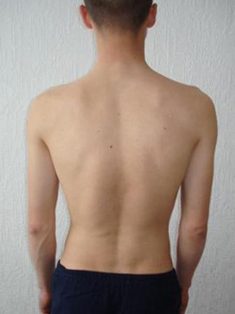
- Distorted posture (scoliosis of different degrees);
- Not strong muscle back corset;
- Different diseases – colds, inflammation and infections.
Back pain in standing is divided into two types:
Primary pain – rarely appears and manifests itself not so much. It basically appears with various blood supply disorders or other minor changes;
Secondary pain – occurs after back injuries, the emergence of tumors and tumors, after infectious diseases, osteochondrosis and various mechanical injuries. Secondary pain is felt constantly, can often provoke numbness of limbs, restrict movement.
Diagnosis
It is only a specialist who can correctly diagnose and prescribe the treatment that is needed to get rid of pain when standing. The doctor will determine if the pain is provoked – the wrong posture, intervertebral hernia, spinal cord distortion or other diseases. To diagnose the root causes of painful sensations when standing, use the usual methods – MRI or CT. MRI helps to assess the damage to soft tissues, and CT – to detect bone structure damage. In addition, ultrasound of the internal organs of the abdomen or pelvis may be prescribed. After a thorough examination, the doctor will be able to accurately diagnose the causes of the pain and pick up the recovery program.
Treatment
Specialists of “Spine Ambulatory” carry out a comprehensive treatment of problems with the back, including back pain during standing. In “Spine Ambulatory” treatment is possible only by conservative methods. Our programs include therapeutic massages and stretching the spine, as well as exercises on a special simulator (therapeutic physical training). The main goal of the entire treatment complex in our Center is to eliminate the root causes of back pain. A comprehensive approach helps to correct the program during treatment and achieve the best results.